Zimbabwe National Symblos

NATIONAL Flag

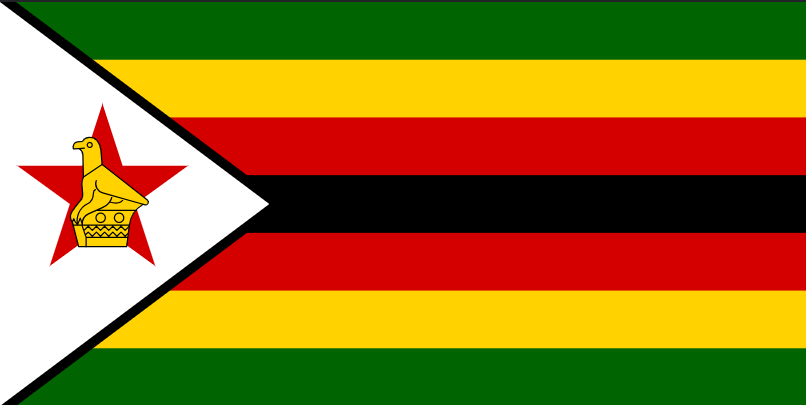
The Zimbabwe national flag features seven stripes and a white triangle, each representing key aspects of the nation’s identity:
  • Green: Agriculture and vegetation
  • Yellow / Gold: Abundant mineral wealth
  • Red: Blood shed during the liberation struggle
  • Black: The heritage and ethnicity of the native African majority
  • White Triangle: Peace and the nation’s forward progress
  • Red Star: The country’s internationalist and political aspirations
  • Zimbabwe Bird: The national emblem, symbolizing the country’s history

NATIONAL Flag

The Zimbabwe national flag features seven stripes and a white triangle, each representing key aspects of the nation’s identity:
  • Green: Agriculture and vegetation
  • Yellow / Gold: Abundant mineral wealth
  • Red: Blood shed during the liberation struggle
  • Black: The heritage and ethnicity of the native African majority
  • White Triangle: Peace and the nation’s forward progress
  • Red Star: The country’s internationalist and political aspirations
  • Zimbabwe Bird: The national emblem, symbolizing the country’s history

NATIONAL COAT OF ARMS

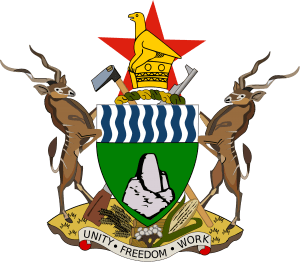
The Zimbabwe Coat of Arms features a central green shield representing the nation’s fertile soil, with the Great Zimbabwe monument at its base. It is flanked by two kudus symbolizing ethnic unity, topped with the Great Zimbabwe Bird and a red star for hope, and underlaid by a banner reading “Unity, Freedom, Work”.
 
The Kudus: Standing on either side, these majestic antelopes and their blended black, brown, and white colors represent the unity and harmonious purpose of Zimbabwe’s various ethnic groups.
 
The Green Shield: Represents the exceptional fertility of the country’s soil. The blue and white wavy lines at the top symbolize the water that brings prosperity and the vitality of natural resources (like Victoria Falls).
 
Great Zimbabwe: The depiction of the ancient stone ruins represents the historical heritage and rich foundation of the nation. 
 
The Hoe and Rifle: Crossed behind the shield, these tools represent the transition from war to peace, the nation’s work ethic, and the struggle for peace and democracy. 
 
The Wreath of Silk: The twisted gold and green silk strips symbolize the agricultural and mining enterprises that protect the national economy. 
 
The Great Zimbabwe Bird and Red Star: The iconic soapstone bird serves as the national emblem, while the red star signifies the hope for the future and serves as a reminder of the nation’s past struggles.
 
The Earthy Mound & Crops: The plants (wheat, cotton, and maize) represent the need to always provide for the people, and the motto banner beneath emphasizes the guiding values of national unity, freedom, and labor. 

NATIONAL COAT OF ARMS

The Zimbabwe Coat of Arms features a central green shield representing the nation’s fertile soil, with the Great Zimbabwe monument at its base. It is flanked by two kudus symbolizing ethnic unity, topped with the Great Zimbabwe Bird and a red star for hope, and underlaid by a banner reading “Unity, Freedom, Work”.
 
The Kudus: Standing on either side, these majestic antelopes and their blended black, brown, and white colors represent the unity and harmonious purpose of Zimbabwe’s various ethnic groups.
 
The Green Shield: Represents the exceptional fertility of the country’s soil. The blue and white wavy lines at the top symbolize the water that brings prosperity and the vitality of natural resources (like Victoria Falls).
 
Great Zimbabwe: The depiction of the ancient stone ruins represents the historical heritage and rich foundation of the nation. 
 
The Hoe and Rifle: Crossed behind the shield, these tools represent the transition from war to peace, the nation’s work ethic, and the struggle for peace and democracy. 
 
The Wreath of Silk: The twisted gold and green silk strips symbolize the agricultural and mining enterprises that protect the national economy. 
 
The Great Zimbabwe Bird and Red Star: The iconic soapstone bird serves as the national emblem, while the red star signifies the hope for the future and serves as a reminder of the nation’s past struggles.
 
The Earthy Mound & Crops: The plants (wheat, cotton, and maize) represent the need to always provide for the people, and the motto banner beneath emphasizes the guiding values of national unity, freedom, and labor. 

NATIONAL ANTHEM

Zimbabwe’s national anthem, Simudzai Mureza wedu weZimbabwe, was written by the celebrated poet and academic Professor Solomon Mutswairo and composed by Fred Changundega. It was officially adopted on April 18, 1994, to give the country a distinctly localized anthem that reflects its heritage and sovereignty.